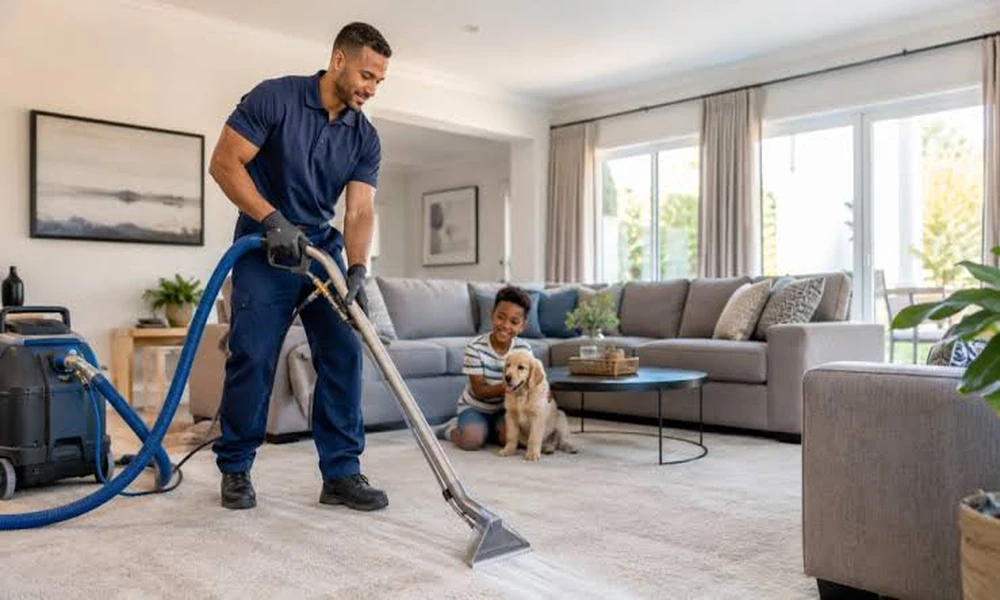
Upholstery cleaning protects children by removing the allergens, bacteria, and residues they come into contact with more closely than adults. Children press faces against cushions, crawl across seating, and touch fabric constantly. Hands travel from fabric to mouth many times an hour. Loads inside upholstery therefore reach children at higher doses. Removal on schedule cuts every exposure route at once. Protection follows directly from what leaves the fabric. Family guidance from brisbaneupholsterycleaning treats child contact patterns as the core service consideration. Small bodies breathe closer against treated surfaces. Developing immune systems meet whatever fabric holds. Product choices inside family homes stay child-safe throughout. Rinse standards run more strictly where children play. Parents booking cleaning protect routes they cannot see.
Close contact raises exposure
Children contact upholstery more closely than any adult in the house. Toddlers crawl across seats with faces near the fabric. Older children lie on cushions during screen time daily. Napping happens directly against the seat fabric regularly. Breathing distance sits far closer than an adult sitting. Whatever fabric holds reaches children at that range. Hand-to-mouth habits complete the exposure route directly. Small hands press into cushion gaps and seams. Fingers gather whatever deposits sit inside the weave. Mouthing follows within minutes across young ages.
Allergen removal eases small airways
Allergen removal protects children because small airways react to loads that adult lungs shrug off. Extraction clears the mite waste, dander, and pollen concentrated inside family seating. Night coughing and morning congestion often track couch time. Cushion compression releases particle clouds at child breathing height. Emptied cushions release almost nothing during play. Symptom relief within days follows thorough removal. Asthma-sensitive children gain the most measurable change. Trigger loads drop across the rooms that children use most. Reading corner and play-area furniture deserve mattress-level scheduling. Regular intervals keep loads below symptom thresholds. Parents report calmer nights as the practical result.
Bacteria and residue leave together
Deep cleaning removes the bacterial reservoir children meet through every touch. Food traces, spills, and pet contact feed colonies inside family fabric. Hands transfer colonies toward mouths through normal play. Heated extraction removes the food layer and populations together. Lower counts persist until deposits rebuild across months. Touch contact then carries far less along the route. Product safety matters equally in child homes. Cleaning solutions themselves must leave nothing behind. Child-safe formulations replace stronger commercial options throughout. Extra rinse passes pull remaining solution from the fibre. Surface’s finish is safe for immediate face-level contact. Parents can ask about products before any booking, confidently.
Spill response protects between visits
Prompt spill response protects children because food residues feed growth quickly inside warm fabric. Milk, juice, and snack traces establish colonies within days. Blotting fresh spills removes most material immediately. High-chair adjacent seating needs the closest daily attention. Families with young children suit shorter cleaning intervals overall. Small routines hold the space between professional visits.
Cleaning removes allergens, bacteria, and residues along every exposure route. Child-safe products and strict rinsing keep the treatment itself gentle. Parents cleaning on family-matched schedules give children safer surfaces every day.