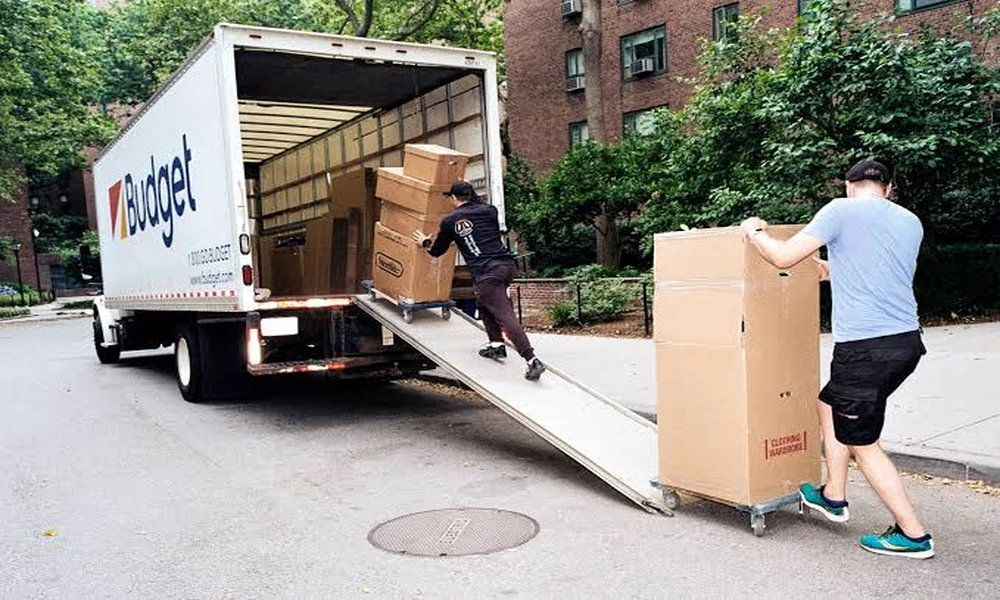
Boston is a city of narrow staircases, tight turns, century-old triple deckers and streets where a moving truck can block the entire lane. Moving here is not like moving in the suburbs, where a driveway and a wide front door are the norm. The challenges are specific, and so are the solutions. If you want help from professional movers in Boston, you will get the best results by understanding the city’s quirks before the crew arrives. This guide covers the obstacles that make Boston moves unique and how to plan around each one.
Obstacle One: The Stairs
Many Boston homes, especially in neighborhoods like Jamaica Plain, Dorchester, Somerville-adjacent streets and the South End, are walk ups with three flights, tight landings and low ceilings. Furniture that fit when the building was constructed may not come out the same way.
What to do:
- Measure doorways, stairwells, landings and hallway turns at both the old and new homes
- Measure your largest pieces too, including sofas, mattresses, dressers and desks
- Ask about disassembly for beds, tables and bookcases, and take photos before taking anything apart
- Tell your mover about every flight of stairs when you request an estimate, since this affects crew size and time
- Be open to the possibility that some items will need to go through a window or be hoisted, which requires specialized equipment and advance planning
If a piece will not fit, it is better to learn that before moving day than while it is wedged on the second landing.
Obstacle Two: Parking and Street Access
Narrow streets, resident permit zones and heavy traffic make curbside access one of the most important details in a Boston move. A truck parked far from the door adds walking distance, which adds time and cost.
The City of Boston has a process for reserving space on public streets. Its moving truck permit information explains how to request temporary no parking signs, and it is worth reading well ahead of your date, since notice requirements and fees apply. Confirm the current steps and timelines directly with the city, since procedures can change.
Practical tips:
- Request the permit as early as the rules allow
- Place signs at the proper lead time so towing is not a risk
- Coordinate with neighbors who may be affected
- Photograph the signs once they are posted
- Ask your mover about the truck size and whether a smaller shuttle vehicle may be needed for tight streets
Obstacle Three: The September 1st Rush
Boston has a famous moving season. Many leases turn over on or around September 1st, and the streets fill with trucks, furniture and mattresses stacked on the curb. Prices rise and availability falls sharply.
If your lease timing is flexible, consider moving in another month, midweek or mid-month, when movers have more room in their schedules and rates are often lower. If you must move during the peak, book as early as possible and have a backup plan.
Obstacle Four: Elevators, Buildings and Rules
High rise and condo buildings add a different set of rules. Many require a certificate of insurance from the moving company, reservations for service elevators and restricted hours for moving activity.
- Do I need to reserve the elevator or loading dock, and for how long?
- Does the mover need to supply proof of insurance, and what coverage is required?
- What are the allowed moving hours?
- Are there floor protection requirements for hallways and elevators?
- Is there a deposit or fee involved?
Submit paperwork early. A missing form can delay a move or cancel it altogether.
Obstacle Five: Weather
New England weather can change quickly. Winter moves bring ice, snow and shorter daylight, while summer moves bring heat and humidity that tire crews and stress certain belongings.
Cold weather prep:
- Shovel and salt walkways and steps before the crew arrives
- Protect floors with mats and runners to handle slush
- Let electronics warm to room temperature before plugging them in
Hot weather prep:
- Keep water on hand for the crew and your family
- Move plants, candles and heat-sensitive items in a climate controlled space
- Schedule the heaviest loading for cooler morning hours when possible
Packing for the City
Boston moves often involve multiple trips up and down narrow stairways, so how you pack matters.
- Use medium boxes rather than oversized ones that are hard to carry on tight turns
- Keep boxes under a manageable weight so crews can move quickly and safely
- Wrap furniture corners and protect banisters, walls and doorframes
- Pack drawers carefully if the mover recommends leaving them in the furniture
- Keep rugs rolled and wrapped to avoid scuffs on stairs
Questions to Ask Before You Hire
- How many stairs or flights are included in the estimate, and how are extra flights charged?
- Is the crew experienced with walk ups and tight access?
- What size truck will be used, and can it park near the building?
- Is the company licensed and insured, and can it provide a certificate for your building?
- How is the final price calculated: hourly, flat rate or a combination?
- What protection is offered for damaged items, and how are claims handled?
Walking Through Your Old and New Homes
Visit both addresses ahead of time, or request a video walkthrough from your mover. Look at entrances, hallways, steps, turning radiuses and parking spots. Note any hazards, such as loose railings, uneven stairs or low overhead pipes. A crew that knows what to expect can plan equipment, labor and the order of loading in advance.
Moving Day Checklist for Tight Spaces
- Reserve street space and post signs at the required lead time
- Reserve elevators or dock access and file insurance paperwork
- Clear stairwells, hallways and walkways of obstacles
- Disassemble large furniture in advance, if arranged
- Protect floors and railings
- Keep pets and children in a safe area away from traffic
- Label boxes by destination room so crews can place them correctly
- Walk through both homes at the end to check for damage or left items
Final Thoughts
Moving in Boston rewards preparation. The stairs, parking rules, building policies and seasonal rush all come down to details you can control if you plan early. Measure carefully, reserve access, share accurate information with your movers and leave room for the unexpected. Do that, and your belongings will make it up those narrow stairs safely, and you will be settled into your new home before the first neighbor has finished watching the truck.