Water pressure plays an important role in the comfort and functionality of a home. When pressure is strong and consistent, everyday activities such as showering, washing dishes, doing laundry, and cleaning are easy to complete. When water begins flowing slowly from faucets or showerheads, however, the problem can quickly become frustrating.
An occasional drop in pressure may not indicate a serious concern, especially when several fixtures are being used at once. Persistent low water pressure is different. If the issue persists or gets worse over time, it may offer important hints about what’s going on in the plumbing system.
Mineral Buildup May Be Restricting Water Flow
Over time, minerals and other deposits can accumulate inside plumbing pipes. These deposits gradually reduce the amount of space available for water to travel through. As the opening becomes narrower, homeowners may notice weaker flow from faucets and showers.
This issue can be especially dangerous for older plumbing systems. Cleaning individual fixtures may provide temporary improvement when buildup is limited to an aerator or showerhead. However, widespread pressure problems may suggest that restrictions are developing deeper within the pipes.
Hidden Leaks Can Reduce Available Pressure
A leaking pipe does not always create an immediately visible puddle. Some leaks develop behind walls, beneath floors, inside cabinets, or underground. Water escaping before it reaches a fixture can result in noticeably lower pressure.
Other warning signs may accompany the pressure change. These can include unexplained increases in water bills, damp areas, discoloration on walls, musty odors, or the sound of running water when fixtures are turned off.
Because hidden leaks can cause structural damage over time, persistent pressure loss should not simply be treated as an inconvenience. Professional inspection can help determine whether water is escaping somewhere within the system.
Corroded Pipes Can Affect Performance
Pipe corrosion is another possible explanation, particularly in older properties. As pipes deteriorate internally, rust and corrosion can interfere with normal water movement. The problem may develop gradually, making it easy to overlook at first.
Eventually, homeowners might notice reduced pressure in multiple rooms. Corroded pipes may also become more susceptible to leaks and other failures. Determining the condition of the plumbing can help establish whether localized repairs are sufficient or whether deteriorated sections require replacement.
A Pressure Regulator Could Be Responsible
A pressure regulator is used in some homes to control the flow of incoming water. When this component begins to malfunction, pressure may become unusually low, unusually high, or inconsistent throughout the house.
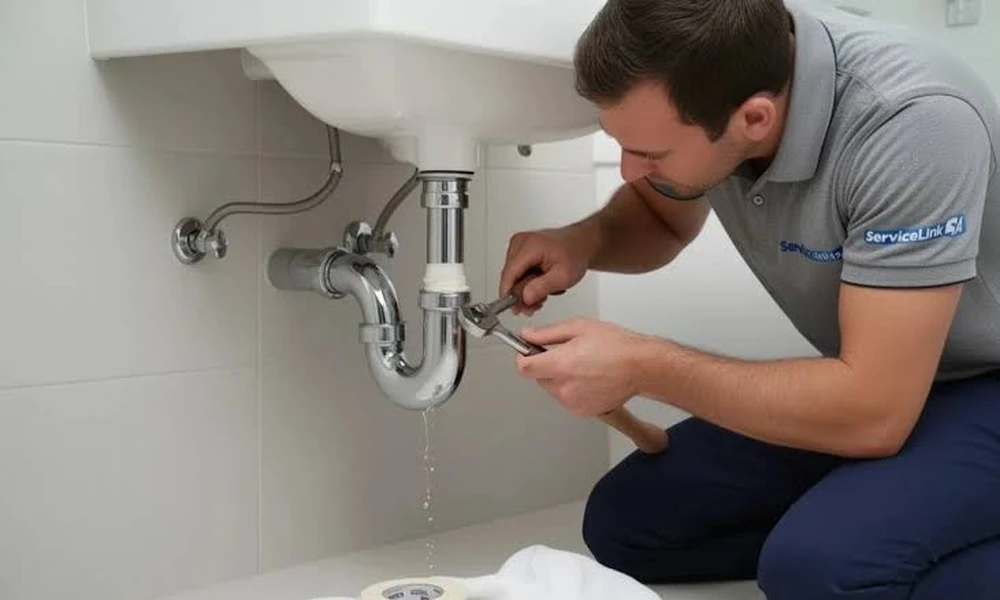
A faulty regulator requires accurate diagnosis because adjusting or replacing components without understanding the cause could create additional problems. When homeowners need plumbing repair Houston services for ongoing pressure concerns, a professional assessment can help identify whether the regulator, pipes, fixtures, or another part of the system is responsible.
Fixture Specific Problems Tell A Different Story
The location of low water pressure can provide useful clues. If only one faucet has weak flow, the problem may be isolated to that particular fixture. A clogged aerator, worn valve, or buildup inside the faucet could be responsible.
If several fixtures throughout the house experience low pressure, the issue may involve the main water supply, internal piping, pressure regulator, or another central component. Observing where and when pressure drops occur can therefore help narrow down potential causes.
Supply Line Problems May Affect The Entire Property
Sometimes the source of low pressure is not a bathroom fixture or an individual pipe. Problems with the main supply line can affect water delivery throughout the property.
Damage, restrictions, aging materials, or issues affecting the incoming water connection may reduce flow to several fixtures simultaneously. Comparing pressure at different locations in the home can help determine whether the issue appears localized or widespread.
Persistent Low Pressure Deserves Attention
Low water pressure is more than an everyday annoyance when it continues for an extended period. It can be an early indication of mineral buildup, hidden leaks, corrosion, regulator failure, fixture problems, or supply line concerns.
Rather than repeatedly adjusting faucets or accepting weaker flow, homeowners can use persistent pressure changes as a reason to investigate the plumbing system. Finding the underlying cause early can help restore reliable water flow while potentially preventing leaks, water damage, and more complicated plumbing problems in the future.