South Tacoma has a unique history. Much of its growth is tied to the movement of goods. The active railways move a lot of food. They bring in bulk items like rice, flour, and animal feed. These rail cars and trucks are necessary for local commerce.
But they can also bring tiny, unwanted visitors. These are stored product pests. They ride the commerce lines right into our neighborhoods. They are waiting to infest your home kitchen. They love your pantry most of all. They contaminate stored food and cause huge waste.
You might not know they are present at first. It is very important to know how to spot them quickly. You must also know how to keep your food safe in Tacoma.
You need to understand the threat. For a professional solution to these pantry invaders, a company like saelapest.com can help you immediately.
Tiny Stowaways on the South Tacoma Line
Stored product pests are small insects. They live in dry foods. They infest things like cereal, flour, rice, and spices. They often enter your home inside the food packaging you buy.
The Indianmeal moth is common here. Its larvae are the main issue. They are tiny white worms. They make messy silk webbing in your food. They damage nuts, dried fruit, and chocolate. Adult moths often fly in your kitchen at night.
Flour beetles are another problem. Red and confused flour beetles are typical. They target processed flour and cereals. They make the food smell bad. They reproduce very quickly in warm kitchens.
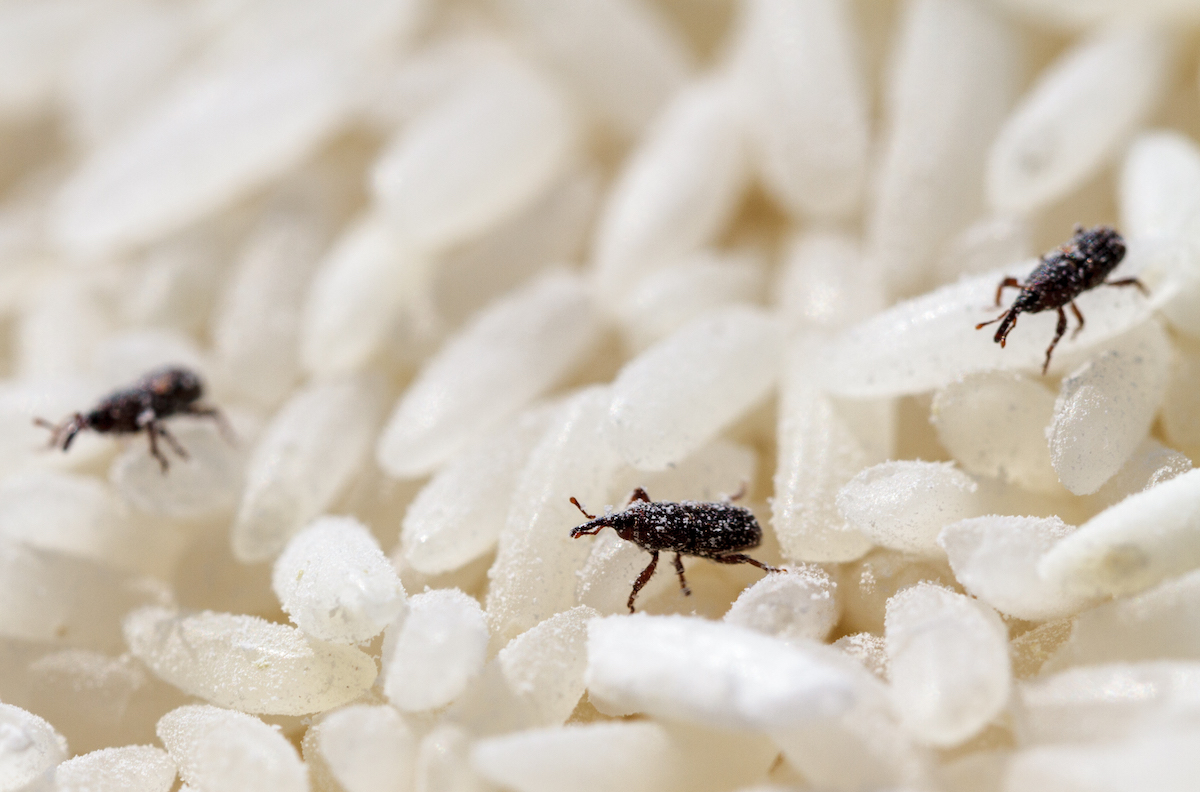
Weevils are also important pests. They are small beetles with snouts. They bore directly into whole grains like rice and corn. If you see tiny beetles in your rice, they are probably weevils. These pests are very tough. They can survive a long time within stored food.
Spotting the Signs of an Infestation in Tacoma
Finding an infestation early is your best defense. Always check your food packaging closely. Look for tiny holes in plastic bags. Check cardboard boxes for any damage. Pests chew through paper easily.
Look for silk webbing inside packages. Webbing in cereal or nuts is a clear sign. You might find tiny insects walking around your shelves. Check all the tight corners of your pantry. Pests hide in dark spots.
Pests leave a fine, dusty material. This is called frass, or their waste. If flour smells sour or strange, throw it out. Some pests cause a foul, musty odor.
Finding larvae or pupae is a definite warning sign. Do not ignore one small beetle. A single insect means many more are hiding nearby.
Simple Steps for a Pest-Free South Tacoma Pantry
Taking steps to prevent an infestation is much easier. It is better than cleaning up a big problem. This is especially true near high-traffic rail lines.
- Inspect and Isolate New Groceries
When you shop, always check packaging for rips or holes. Once home, do not put food straight into the pantry. Immediately transfer all dry goods to sealed containers. This stops any pests already inside from spreading.
- Use Airtight Storage Containers
Stop keeping dry food in its original bag or box. These offer no protection. Use glass jars or strong plastic bins with secure, tight lids. This simple change is your strongest defense. Pests cannot chew through this material.
- Maintain Extreme Cleanliness on Shelves
You must clean your pantry shelves regularly. Use a vacuum to suck up all spilled crumbs and flour. Pests feed on even tiny amounts of debris. Wipe all shelves down with soap and water. Throw away any old, expired, or questionable food right away.
- Practice Food Rotation
Do not let food sit in the back of the cupboard for months. Old spices and baking mixes are a risk. Always use the oldest food items first. This is called rotating your stock. Keeping a fresh inventory helps stop pests from completing their life cycle.
When you need fast and reliable pest control, turn to a professional like Saela Pest. They offer specialized services for stored product pests and other home invaders. Give them a call today!