Cold weather can quickly make a home feel uncomfortable, especially when heating systems struggle to keep up with dropping temperatures. Many homeowners notice uneven warmth, rising energy bills, or rooms that never seem to stay cosy for long. While winter conditions can place extra pressure on heating systems, a few practical adjustments can significantly improve indoor comfort without dramatically increasing energy usage.
Regular maintenance also plays a major role in keeping a home warm and efficient throughout the colder months. Booking a professional heating service before winter reaches its peak can help identify small issues before they turn into expensive repairs. A properly maintained system not only performs more effectively but also helps maintain a steady and comfortable indoor temperature during harsh weather.
Keep Your Thermostat at a Consistent Temperature
One of the most effective ways to maintain comfort during cold weather is to avoid constantly changing the thermostat. Many people increase the temperature dramatically when they feel cold, then lower it again later. This repeated adjustment can place unnecessary strain on the heating system and may increase energy costs.
Keeping the thermostat at a steady setting helps the heating system work more efficiently. Experts often recommend maintaining indoor temperatures between 18°C and 21°C during winter for a balance of comfort and energy efficiency. Smart thermostats can also help by automatically adjusting temperatures based on daily routines and occupancy.
Improve Insulation Around the Home
Heat loss is one of the biggest reasons homes feel cold during winter. Even a powerful heating system can struggle if warm air escapes through poorly insulated areas. Windows, doors, lofts, and older walls are common sources of heat loss.
Simple improvements can make a noticeable difference:
- Use draught excluders around doors
- Seal gaps around windows
- Add thicker curtains to reduce heat escape
- Insulate loft spaces properly
- Place rugs on hard flooring for added warmth
According to the UK Energy Saving Trust, effective insulation can significantly reduce household heat loss while lowering annual energy costs. Small upgrades often create a more comfortable indoor environment almost immediately.
Maintain Airflow Throughout the House
Many homeowners unknowingly block airflow inside their homes. Furniture placed directly in front of radiators or vents can prevent warm air from circulating properly. This often creates cold spots and uneven temperatures between rooms.
To improve airflow:
- Keep radiators clear of large furniture
- Avoid covering vents
- Open interior doors occasionally to allow heat movement
- Use ceiling fans on low reverse settings to push warm air downward
Maintaining proper circulation helps warmth spread more evenly across the home and prevents certain rooms from feeling significantly colder than others.
Replace Dirty Filters and Schedule Maintenance
Heating systems naturally collect dust and debris over time. Dirty filters can restrict airflow, forcing the system to work harder while reducing heating performance. Replacing filters regularly is one of the easiest ways to improve efficiency during winter.
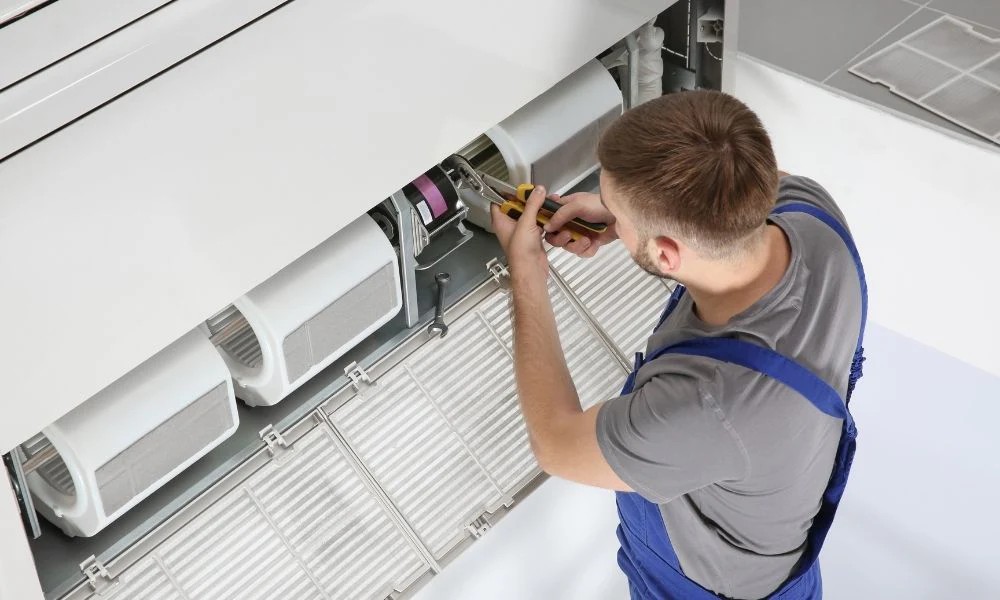
Professional inspections are equally important. A seasonal heating service can identify worn components, airflow issues, thermostat problems, or efficiency concerns before they worsen. Technicians can also clean internal parts that homeowners cannot safely access themselves.
Routine maintenance often helps:
- Improve indoor comfort
- Lower energy consumption
- Reduce the risk of breakdowns
- Extend equipment lifespan
- Maintain better indoor air quality
Homes that receive regular heating service appointments generally experience fewer emergency repairs during peak winter months.
Use Natural Heat During the Day
Winter sunlight can provide a surprising amount of natural warmth when used effectively. During daylight hours, opening curtains on sun-facing windows allows sunlight to help warm indoor spaces naturally.
In the evening, closing curtains helps trap that warmth inside while reducing cold air entering through glass surfaces. Thermal curtains can be particularly useful in older homes with less efficient windows.
This simple habit may not replace central heating, but it can reduce strain on the system and help maintain a more comfortable indoor environment.
Address Cold Spots Quickly
Some rooms naturally feel colder than others due to poor insulation, limited airflow, or heating imbalances. Ignoring these areas can make the entire home feel less comfortable.
Several solutions may help improve cold spots:
Rearrange Room Layouts
Large furniture pieces can block heat circulation. Moving sofas, shelves, or curtains away from radiators may allow warmth to spread more effectively.
Check Radiator Performance
If radiators feel cool at the top or heat unevenly, trapped air may be the issue. Bleeding radiators can restore proper performance and improve heating consistency.
Consider Zoned Heating
Homes with multiple storeys or large layouts may benefit from zoning systems that allow separate temperature control for different areas.
Even small adjustments can noticeably improve overall comfort during colder periods.
Keep Humidity Levels Balanced
Dry indoor air often feels colder than properly balanced air, even when the temperature remains the same. Heating systems can reduce indoor humidity during winter, causing discomfort such as dry skin, sore throats, and static electricity.
Adding moisture to indoor air through humidifiers or indoor plants can help rooms feel warmer and more comfortable. However, excessive humidity should also be avoided because it may lead to condensation and Mold growth.
Maintaining balanced humidity supports both comfort and indoor air quality during winter months.
Pay Attention to Energy Efficiency
Heating accounts for a large portion of winter energy usage in many homes. Improving efficiency not only reduces bills but also helps heating systems maintain stable temperatures more effectively.
Practical energy-saving habits include:
- Lowering the thermostat slightly at night
- Closing unused rooms
- Using programmable heating schedules
- Replacing older systems when necessary
- Keeping vents and radiators clean
Modern heating systems are often significantly more efficient than older models. Homeowners with ageing equipment may eventually benefit from upgrading to newer energy-efficient solutions.
Conclusion
Staying comfortable during cold weather depends on more than simply turning up the thermostat. Proper insulation, balanced airflow, regular maintenance, and smart heating habits all contribute to a warmer and more energy-efficient home. Small changes such as sealing draughts, replacing filters, and improving circulation can make a noticeable difference throughout winter.
Regular heating service support also remains essential for maintaining reliable performance during periods of heavy use. Well-maintained systems operate more efficiently, reduce the likelihood of unexpected breakdowns, and help create a consistently comfortable indoor environment. By combining preventative maintenance with practical winter heating habits, homeowners can improve comfort, lower energy waste, and keep their homes warm throughout the colder months.