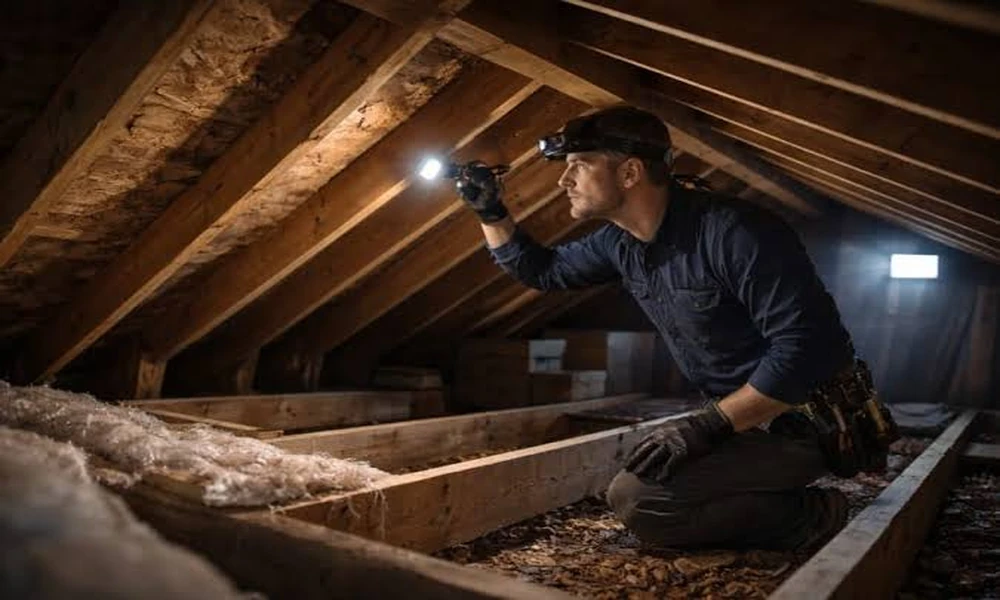
There is usually one day in a roof’s life when you can see its bones. The old shingles come off and land in the dumpster. For a few hours, the bare deck sits open to the sky. Every soft board and rusted nail is visible, along with every shortcut the last crew took. By evening it is covered again, and nobody will look at that layer for another twenty or thirty years. What happens between the rafters and the ridge on that single day decides how the roof will handle salt wind off Barnegat Bay, January ice and the summer heat that follows.
That is why the best conversations about a new roof installation in Toms River rarely open with shingle colors. A roofing team working out of nearby Spring Lake Heights will usually ask first about budget, the style of the house and how long the owners plan to stay. Then it walks through the system layer by layer, and it keeps looking after the roof long after the crew packs up. Following that same order, from the framing outward, is the clearest way to understand what you are paying for.
The Day the Deck Is Exposed
Once the tear off is done, the crew walks the sheathing. Plywood or OSB that has stayed damp for years feels spongy underfoot and gets cut out and replaced. Many older Toms River capes and ranches still have plank sheathing. Planks can be sound, but they often have gaps that need a fresh layer of plywood on top so modern shingles have a solid, even base.
This is also the cheapest moment to strengthen the connection between the roof and the walls. Metal straps or clips that tie rafters to the wall framing help a roof resist uplift in a hard blow. FEMA’s guidance on protecting your property from severe winds calls the roof a home’s first line of defense and recommends exactly this kind of strapping. With the deck open, the framing is easy to reach. Later it means opening ceilings.
Permits deserve a quick word here. New Jersey treats a straight reroof on many detached one and two family homes as ordinary maintenance. Replacing sheathing, changing the structure or working on an attached townhouse can change that. A short call to the township construction office settles it before the dumpster arrives.
A Membrane Against Ice and Sideways Rain
The first layer to go back on the wood is protection from water that gets past the shingles. In this climate, code calls for an ice barrier at the eaves. It is a self-adhering membrane that runs from the roof edge to at least 24 inches inside the exterior wall line. It seals around nails and stops the meltwater that backs up behind ice dams in a hard freeze.
Good crews do not stop at the eaves. Valleys, the area around chimneys and skylights, and any low slope sections near dormers all get the same sticky membrane, because those are the places where water collects or gets pushed sideways. Nor’easters drive rain uphill under shingle edges. Some shore homeowners choose to cover the whole deck with membrane, or at least use a synthetic underlayment instead of old felt paper, which tears in the wind and wrinkles in the sun.
Metal Where Water Changes Direction
Flashing handles the spots where the roof meets something else. Drip edge runs along the eaves and rakes. It guides water into the gutters and keeps it from wicking back into the fascia, and current residential code expects it on shingle roofs.
Chimneys need step flashing woven into each course of shingles. Counter flashing is set into the mortar above it. Slathering roofing cement over an old flashing job is one of the most common reasons a new roof leaks in its first year. Plumbing vent boots should be replaced too, since their rubber collars often fail long before the shingles do.
Near salt water, the metal itself matters. Aluminum and copper flashing hold up well. Fasteners should be stainless or hot dipped galvanized, because bright electroplated nails can rust within a few seasons in the sea air.
The Shingles Everyone Notices
Architectural asphalt shingles cover most homes in Ocean County, and for good reason. They are thicker than the old three tab style, they look more dimensional, and many carry high wind classifications. On an exposed lot near the bay, how the shingles are attached matters as much as which ones you pick. These details are worth seeing written into a quote.
- The wind rating of the specific shingle line, and the nailing pattern needed to earn it, which is often six nails per shingle instead of four
- Starter strips with factory adhesive at both the eaves and the rakes, where wind tends to grab first
- Matching ridge cap shingles rather than cut pieces of regular shingles
- Algae resistant granules, which help slow the dark streaks common on shaded shore roofs
Impact resistant shingles cost more but can stand up better to hail and windblown debris, and some insurers offer credits for them. Standing seam metal is another option some bayfront owners choose. It sheds wind and snow well and lasts a long time, though it costs considerably more up front.
Giving the Attic Room to Breathe
A new roof is the natural time to fix ventilation, which affects shingle life almost as much as the shingles do. An attic that traps summer heat bakes the shingles from below. In winter, warm, damp air from the house condenses on the underside of the deck and slowly rots it.
The basic idea is balance. Cool air comes in low through soffit vents, and warm air leaves high through a continuous ridge vent. Code sets minimum amounts of vent area based on the attic floor. Mixing a ridge vent with old box vents or a gable fan can short circuit the airflow, so one ends up pulling air in through the other. Bathroom fans should vent outdoors, not into the attic, where they quietly feed mold.
Picking the Right Week
Timing on the shore is its own skill. Shingles depend on sun and warmth to activate their sealant strips. A roof installed in late November may need hand sealing so the tabs don’t lift before spring. Midsummer installs bring the opposite problem, because soft shingles scuff easily under work boots. Late spring and early fall usually give the best mix of mild days and dry weather.
Wind matters on install day too. Experienced crews watch the forecast and avoid leaving large sections of underlayment exposed overnight before a front moves through.
What Stays Hidden
When the job is finished, the street sees color and clean lines, and that is about all. Everything that decides how long the roof lasts sits underneath. That includes the deck, the membrane, the metal, the fasteners and the airflow you cannot see from the curb. Ask for photos of the bare deck and the underlayment before the shingles go on, and keep them with your closing papers and warranty documents. Many manufacturer system warranties require matching components installed to their specifications, and those photos are your record that it was done. A roof built carefully from the rafters up rarely makes headlines after a storm. It just keeps doing its job.