Trees occupy an unusual position on a balance sheet. They add measurable value to a property, they reduce cooling costs, they improve how a site is perceived and they are also the only asset on the grounds capable of causing serious injury or six-figure damage without warning. That dual nature is why professional managers treat them as infrastructure requiring a tree maintenance regime, while many owners treat them as scenery. The gap between those two approaches shows up eventually, usually during a storm.
The Financial Case
Mature trees contribute to property value in ways that appraisers recognise. Well-maintained landscaping with established specimens consistently supports higher valuations and shorter selling periods than bare or neglected grounds. Shade trees positioned on the sun-exposed sides of a building reduce heat gain and lower air conditioning demand, which is a recurring saving rather than a one-off. For commercial premises, quality landscaping influences tenant retention and rental levels. Against those returns, an annual inspection and periodic pruning is a small and highly predictable cost.
Liability Is the Other Half
The counterweight is legal exposure. Property owners carry a duty of care toward anyone who could reasonably be affected by a tree on their land, including neighbours, visitors, employees and passers-by. When a limb falls and causes injury or damage, the question becomes whether the defect was foreseeable and whether reasonable steps were taken. A documented inspection history is what answers that question favourably. Absence of any record makes the position considerably weaker, and insurers examine maintenance evidence closely after a claim.
What Happens When Trees Are Left Alone
Neglect follows a predictable sequence. Deadwood accumulates in the canopy and eventually drops. Weak forks with included bark grow heavier each year until they split. Decay entering through old wounds spreads through the stem while the exterior still looks acceptable. Roots lift paving and displace drainage. Canopies encroach on buildings, blocking light and depositing debris in gutters. None of this is dramatic in any single year, which is precisely why it accumulates unnoticed until something fails. A consistent programme interrupts that sequence while the interventions are still minor.
Differences Between Residential and Commercial Sites
The principles are the same but the pressures differ. On residential property the main concerns are the house itself, boundaries with neighbours, and family safety, and decisions are usually made by one owner who knows the trees well. Commercial sites carry public access, car parking beneath canopies, higher pedestrian volumes and formal health and safety obligations, and are typically managed by someone without direct knowledge of the planting history. That makes documented inspection regimes more important on commercial land, since institutional memory does not exist and staff change.
Setting Up an Inspection Regime
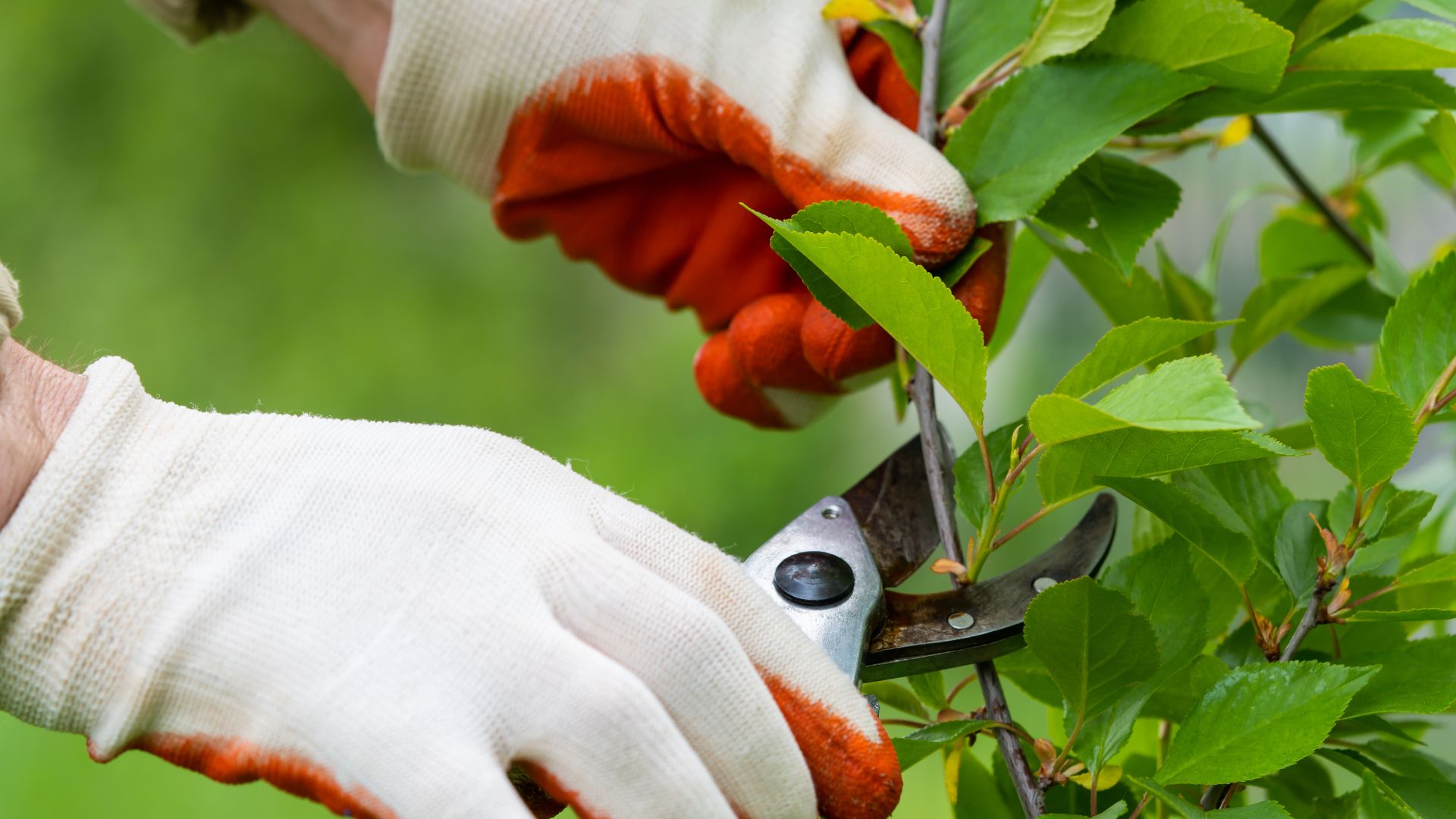
A workable programme has three components. A baseline survey records every tree with a reference number, species, dimensions, condition and any defects, producing an inventory to work from. Routine inspections at defined intervals annually for most sites, more often where risk is higher check for change against that baseline. Reactive inspections follow storms, nearby excavation or any observed change. Each inspection should produce a short written record with recommended actions and timescales, and completed works, including any tree pruning carried out, should be logged against the tree reference.
Prioritising by Risk
Not every tree needs equal attention, and pretending otherwise makes the programme unaffordable. Risk combines the likelihood of failure with the consequence if it occurs. A structurally poor tree overhanging a car park or a play area is a high priority; the same tree at the far end of an unused field is not. Mapping targets buildings, walkways, parking, roads, boundaries lets budget concentrate where it reduces genuine exposure. This approach is also easier to justify internally, because the reasoning is explicit rather than based on appearance.
Scheduled Work Beats Emergency Work
Emergency call-outs cost substantially more than planned work. Out-of-hours rates apply, access is harder around a partially failed tree, and the situation often involves damage that must be made safe before anything else can happen. Planned operations are scheduled at convenient times, quoted competitively and completed without disruption. Routine work carried out on a cycle removes most of the defects that would otherwise generate those emergency calls, which is where the programme largely pays for itself.
Permissions and Compliance
Trees in certain locations and above certain sizes carry legal protection, and unauthorised removal or heavy pruning can result in significant penalties. Requirements depend on the land, the species and the designation of the area. Knowing which trees on your site are protected and recording that in the inventory prevents an expensive mistake, particularly on commercial sites where instructions pass through several people before reaching a contractor.
Coordinating the Whole Grounds
Tree work does not sit in isolation. Canopy density affects how much light reaches turf below, falling material damages surfaces and machinery, and surface roots complicate mowing. Bringing canopy work and the grass cutting service under one coordinated schedule reduces total visits, prevents machinery damage to trunks, and gives one party responsibility for the condition of the grounds as a whole.
The Underlying Point
Trees are long-term assets that fail slowly and then suddenly. The cost of managing them properly is modest, predictable and spread over years. The cost of not doing so arrives all at once, usually with damage attached and always without warning.