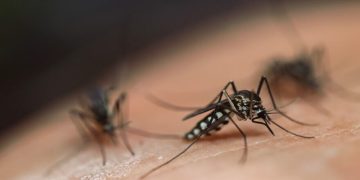
Your kitchen should be a place where you prepare delicious meals and gather with family, not a feeding ground for unwanted pests. Unfortunately, kitchens provide everything insects need to thrive: food, water, and shelter. Ants march across countertops, cockroaches scurry when you flip on the lights, and spiders build webs in corners. Taking control of your kitchen environment requires understanding what attracts these pests and implementing strategic prevention measures that make your cooking space inhospitable to invaders.
Understanding Why Pests Love Your Kitchen
Kitchens attract pests for obvious reasons. Even the cleanest homes have microscopic food particles, occasional spills, and moisture from sinks and dishwashers. A single crumb is a feast for an ant colony, while the warm, humid environment near your dishwasher creates ideal conditions for cockroaches. Spiders don’t come for your food directly but follow other insects that do, setting up webs to catch their prey.
The first step in pest prevention is accepting that perfection isn’t possible. You will occasionally drop food, and moisture will accumulate. The goal is minimizing these attractants and eliminating pest access points before problems develop.
Daily Habits That Prevent Infestations
Creating a pest-resistant kitchen starts with consistent daily practices that remove opportunities for insects to establish themselves. Wipe down all countertops, stovetops, and tables immediately after meal preparation and eating. Don’t wait until morning to clean up dinner dishes, as overnight is prime feeding time for cockroaches and ants.
Sweep or vacuum kitchen floors daily, paying special attention to areas under appliances and along baseboards where crumbs accumulate. Mop at least twice weekly using a solution that cuts grease, as sticky residues attract pests just as readily as solid food particles. Empty your kitchen trash can every night, and use bins with tight-fitting lids that prevent odors from escaping and attracting insects.
Strategic Food Storage Solutions
How you store food makes an enormous difference in pest prevention. Transfer opened packages of flour, sugar, cereal, pasta, and other dry goods into airtight containers made of glass or heavy plastic. Cardboard boxes and thin plastic bags offer no protection against determined pests, and cockroaches can even chew through standard food packaging.
Keep ripe fruit in the refrigerator rather than on the counter, especially during warmer months when fruit flies and ants are most active. Store pet food in sealed containers and avoid leaving food bowls out overnight. Even small amounts of pet food can sustain significant pest populations.
Eliminating Water Sources
While food gets most of the attention in pest prevention discussions, water is equally important for pest survival. Fix dripping faucets immediately, as even a slow drip provides sufficient water for insects. Wipe down sinks after each use and don’t leave standing water in dish drains overnight.
Check under your sink regularly for leaks in the pipes or around the garbage disposal. These dark, moist areas are prime real estate for cockroaches and can host large populations before you even realize there’s a problem. Replace worn washers and gaskets promptly, and consider placing moisture-absorbing packets in cabinets prone to dampness.
Sealing Entry Points and Cracks
Pests need surprisingly small openings to enter your kitchen. Inspect the areas where plumbing pipes enter through walls and floors, sealing any gaps with caulk or expanding foam. Check the weather stripping around exterior doors and replace it if you can see daylight or feel air movement when the door is closed.
Examine the seal around windows and apply fresh caulk where gaps exist. Install or repair screens on windows you open for ventilation. Look for cracks in baseboards, gaps between countertops and walls, and openings around electrical outlets. Sealing these entry points creates a physical barrier that’s more effective than any pesticide.
Maintaining Appliances and Hidden Spaces
Pests love the warm, dark spaces behind and beneath appliances. Pull out your refrigerator, stove, and dishwasher quarterly to clean underneath and behind them. Vacuum up food debris, dead insects, and dust that accumulates in these areas. While you have appliances pulled out, inspect the floor and walls for cracks or holes that need sealing.
Clean inside your oven regularly, including the drawer beneath the main compartment where crumbs often collect. Wipe down the refrigerator’s rubber door gasket and the drip pan underneath if your model has one. These often-neglected areas can harbor pest populations that spread throughout your kitchen.
When to Seek Professional Help
Despite your best efforts, sometimes pest problems require professional intervention. If you see cockroaches during daylight hours, notice ant trails that persist despite your cleaning efforts, or find multiple spiders despite reducing other insects, it’s time to call experts. Professional services from companies like Hot Bugz can identify the species you’re dealing with, locate hidden nests or entry points, and apply targeted treatments that DIY methods simply can’t match.
Maintaining a pest-free kitchen requires ongoing attention and commitment to cleanliness. By combining daily habits, proper food storage, moisture control, and structural maintenance, you create an environment where ants, roaches, and spiders simply cannot thrive. Your kitchen becomes what it should be: a clean, safe space dedicated to nourishing your family, not feeding the local insect population.