
If you are planning a remodeling or construction project, one of the biggest decisions you will make is finding someone who will manage the process. It does not matter whether you are building a new home, renovating your kitchen or adding an extension, because the right professional can make the huge difference between smooth project and expensive surprises.
Most household owners start with the enthusiasm, just to realize that managing timelines, subcontractors and budgets is more complicated than expected. That is why you should hire a trustworthy and experienced professional for the process. As soon as you enter here, you will learn a few things about how to survive home renovation.
Understanding what these professionals can do can help you determine the right person for the job. You should learn a few things about what to expect during the process, which can help you ensure that your vision becomes reality without additional hassle.
The Role of General Contractor
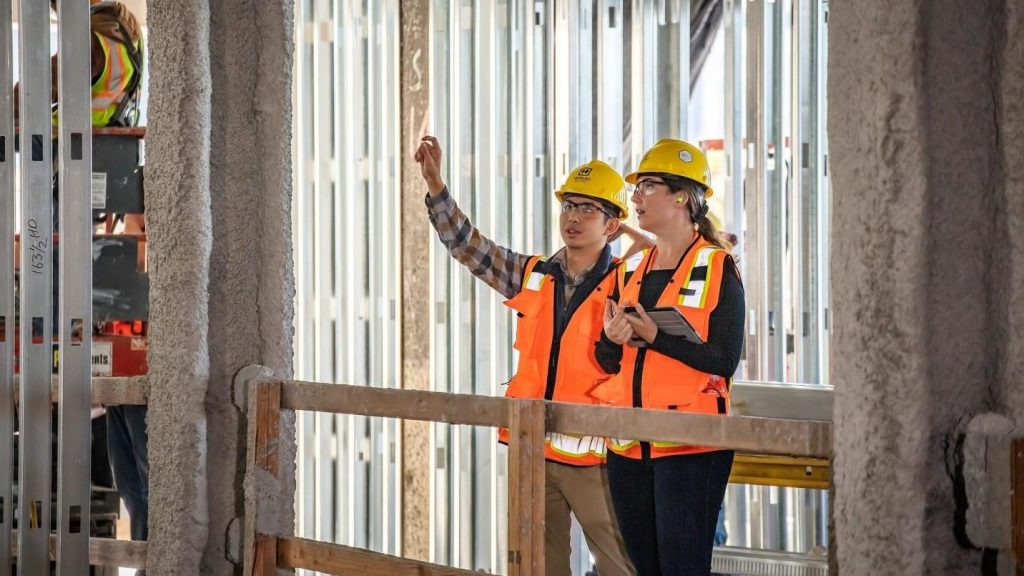
General contractors are essential for project managers for renovation or construction work. Their job is to oversee the entire process from the beginning to an end, meaning you will coordinate every single aspect of the project. We are talking about supervising and hiring subcontractors such as electricians, carpenters and plumbers as well as painters.
They can manage different permits for the project, schedule inspections and ensure the work meets local codes. As you can see, they function as the primary point of contact.
That way, they can take on the responsibility of turning your architectural plans and ideas into a finished space. Instead of dealing with multiple service providers by yourself, you can rely on their expertise and connections to ensure the project stays efficient and organized.
Another important benefit for working with a professional general contractor in the role is the established network they have. Experienced general contractors come with long-standing relationship with subcontractors and suppliers, allowing them to negotiate secure skilled labor and better prices.
You should remember that they understand how to troubleshoot a specific problem on the spot, which will help you save both money and time if challenges arise, which is vital to remember.
Having someone in charge who knows how to balance expenses, quality and scheduling is essential, especially for complex and large projects. With their oversight, you can focus on personal goals and let them coordinate agreed project. As soon as you visit page, you can learn a few things about different contractors you can find on the market.
Tips for Choosing the Right Contractor
Choosing the right general contractor to lead your project can be overwhelming, but a few crucial steps can make the process more effective and straightforward. The main idea is to gather referrals and recommendations from family members, trusted friends and professionals in the industry.
Local business directories and online reviews can provide you with helpful insights on reliability and reputation. As soon as you get a shortlist, it is crucial to verify different credentials.
You should ensure that they come with reliable license, insurance and bond. Licensing will ensure that you meet the professional standards, while insurance will protect you from potential liabilities if something goes wrong while on-site. We recommend you to avoid hesitating to ask the proof of documents, because reputable contractors will give you everything.
Another important consideration is to request multiple quotes before making decision. However, lowest price is not always the best course of action. Instead, you should look closely each step included within the estimate. One contractor might offer you a low price tag, but they will use cheaper materials and cut corners.
At the same time, you should evaluate their communication style too, because good communication is crucial throughout the project. You should find someone who answers questions clearly, listens carefully and provides with regular updates.
You may also decide to visit previous job sites if that is possible or ask for client references. Seeing their work firsthand and talking with past clients can help, you learn a few things about reliability and quality of their services.
Watch this video: https://www.youtube.com/watch?v=y_gW-j4DRjI to learn a few things about this particular topic.
Planning
Before the project starts, you should set the tone for the entire project, meaning planning. This particular stage involves developing a comprehensive scope of work including realistic timeline and detailed budget. Transparency is crucial for both sides.
A detailed contract should include everything from materials used, subcontractors, payment schedules and completion dates. You must ensure that the process outlines what happens if delays occur, or if additional expenses arise. We recommend you to avoid vague agreements, which can lead to disputes or confusion in the future.
Therefore, you should build a contingency fund, which should be approximately ten to fifteen percent of the overall budget. That way, you can cover unexpected fees. Even with the best planning, surprises can occur such as hidden structural issues or water damage, which is not something you will notice before the construction starts.