Introduction
If fire protection systems are not present or are not working, or if extra monitoring is needed, the role of the fire watch is important to protect people and property. Clear accountability is important due to the need to continuously monitor, report hazards and respond to emergencies. A structured accountability system provides clarity around guard duties and ensures uniformity of fire watch.
For a fire watch program to remain effective, personnel need clear expectations and a consistent system for documenting their work. Jacksonville fire watch guards can support this accountability by following defined patrol schedules, recording hazards and observations, and promptly communicating incidents to supervisors or designated facility contacts. When these responsibilities are clearly established and regularly reviewed, managers can better confirm that required fire watch duties are being performed consistently and that potential safety concerns are addressed without unnecessary delays.
Explain what roles and responsibilities are.
One of the keys to accountability is to define their duties to both each other and to the community as fire watchers. The duties could involve making regular patrols, keeping an eye on high-risk zones, detecting hazards, reporting unsafe conditions and taking action if an emergency occurs. Job duties are defined in writing and clear instructions are provided for the site to prevent confusion and to help identify the completion of required duties.
Making clear reporting procedures.
Fire Watch Guards have a clear procedure for reporting hazards and/or incidents. A clearly defined reporting hierarchy to delineate supervisors, facility manager, emergency contact, and other responsible personnel. Reports must include relevant information such as the location of the hazard, the time of the observation, the nature of the hazard, and actions taken. Regular reporting facilitates communication and provides an accurate account of site conditions.
Using Patrol Logs
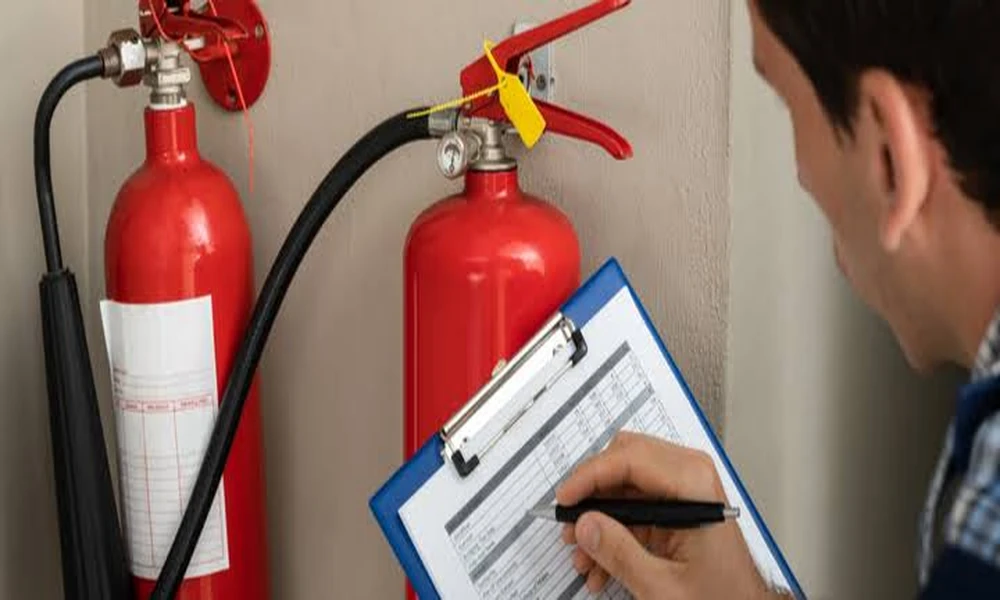
It is practical to use patrol logs to record fire watch activities. Guards may note the time of patrol activities, areas patrolled, conditions noted, and problems identified. Supervisors may inspect those records to ensure that necessary patrols have been done. Frequent reviews can also uncover trends, like common missed points, or hazards.
Supervisory Oversight
There’s more to effective accountability than having guards fill out reports. Supervisors are expected to monitor performance, check documentation, resolve issues and check adherence to procedures regularly. Supervisors may also be consulted when guards have unusual situations or need clarification regarding their duties.
Shift Handover Procedures
Multiple guards, with different shifts, may be required to operate a continuous fire watch. A well-done handover means that vital information is not lost when one guard hands it over to another. Unresolved hazards, work in progress, incidents and other relevant observations should be communicated with outgoing personnel. Additional support can be provided in the form of written handover records.
Performance Evaluation
Fire watch firms and facility managers can set suitable performance criteria to assess employees. This can involve reports, hazard recognition, communication, adherence to emergency procedures, punctuality, completion of patrols, and/or quality of reports. Frequent assessments will help determine if extra training or supervision is required.
Review and Corrective Action.
If an incident or serious safety-related situation occurs, management should investigate the situation, rather than just blame people. The review should investigate whether procedures have been followed, if communication was effective and if there was a staffing or training issue that has caused the problem. The necessary corrective action should then be recorded and taken.
Maintaining Professional Standards
Professional standards and expectations should help to facilitate accountability. Guards should be aware that keeping watch, adhering to procedures, keeping records and reporting hazards are important duties. There is a high level of accountability culture, which makes employees aware of their responsibilities.
Conclusion
The critical components of a good accountability system for a fire watch guard include: clear responsibilities, reporting, patrol logs, supervision, shift handovers, performance monitoring and reviews, and incident reviews. Such measures provide transparency and ensure that vital responsibilities get carried out in the same manner. Establishing clear expectations and resolving issues in a timely manner can enhance the effectiveness of the fire watch and the overall safety of the site.