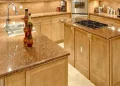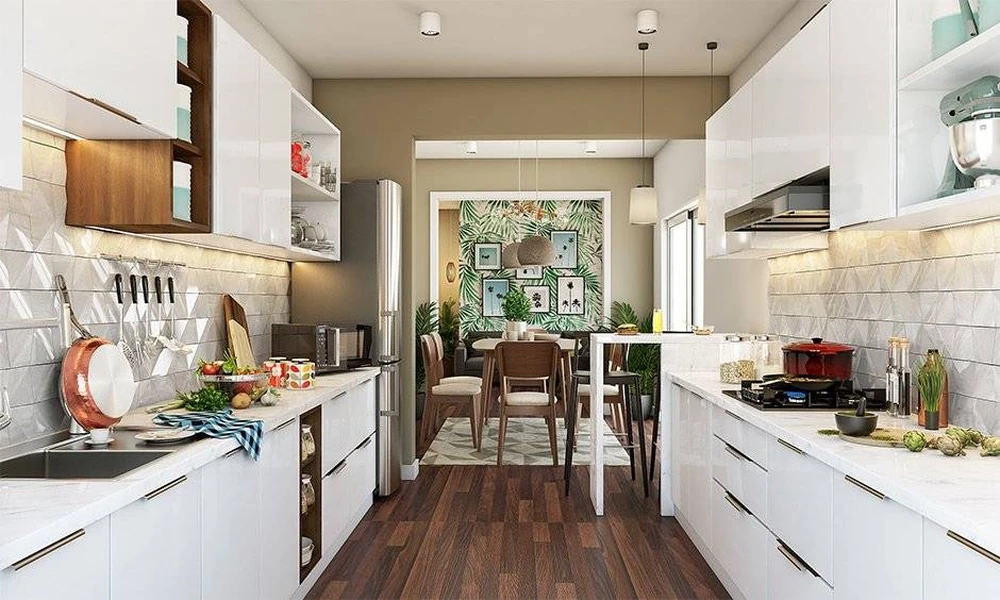
A kitchen is rarely just one thing. It is a place for cooking, of course, but also for conversation, storage, family routines, working from home, entertaining and everyday living. This is why a one-size-fits-all approach can often fall short. A kitchen may look attractive in a catalogue, but unless it has been planned around the dimensions of the room and the habits of the people using it, it may never feel quite right.
This is where bespoke fitted kitchens offer such a strong advantage. Rather than forcing a household to adapt to standard furniture and fixed layouts, a bespoke kitchen is designed around the property, the available space and the way the room needs to function. From cabinetry and worktops to storage, appliance placement and finishing details, every element can be considered as part of a complete design.
For homeowners comparing options, it is worth exploring experienced independent designers who specialise in tailored kitchen solutions. Whether researching bespoke kitchens in Cornwall or looking at bespoke kitchens in Rugby, the value lies in finding a design approach that treats the kitchen as an individual project rather than a standard package.
What Makes a Kitchen Bespoke?
A bespoke kitchen is designed with a high level of personalisation. This does not always mean every component has to be handmade from scratch, but it does mean the final design is carefully tailored to the room and the client. The layout, storage, furniture style, finishes, work surfaces and practical details are all selected to suit a specific home.
In a fitted kitchen, the cabinetry is planned to integrate neatly with the walls, floor plan, appliances and architectural features. In a bespoke fitted kitchen, that process goes further. Awkward corners, alcoves, sloping ceilings, chimney breasts, period features and unusual room shapes can all be worked into the design rather than treated as obstacles.
This level of planning is particularly valuable in British homes, where properties vary widely in age, character and layout. A compact cottage kitchen, a Victorian terrace, a modern open-plan extension and a large country home will each call for a different solution. Bespoke design allows the furniture and layout to respond to those differences.
Designed Around Daily Routines
One of the most important benefits of a bespoke fitted kitchen is that it can be planned around real routines. A well-designed kitchen is not just about symmetry or impressive finishes. It needs to make daily life easier.
For a busy family, this might mean generous pantry storage, robust work surfaces, integrated bins, easy-access drawers and space for children to sit while meals are prepared. For keen cooks, it could mean a larger preparation area, carefully positioned ovens, specialist storage for ingredients and appliances, or improved extraction. For those who enjoy entertaining, the design may focus on an island, drinks storage, lighting and a more sociable layout.
A bespoke approach also allows small frustrations to be solved properly. If an existing kitchen has poor lighting, limited worktop space, awkward cupboards or appliances in the wrong place, these issues can be addressed from the start. The result is a kitchen that feels more intuitive to use because it has been shaped around the people who will live with it every day.
Storage That Works Harder
Storage is one of the clearest differences between an ordinary kitchen and a thoughtfully designed bespoke fitted kitchen. Standard cupboards may provide space, but they do not always provide efficient or convenient storage. Bespoke planning allows every section of the room to work harder.
Deep drawers can replace difficult base cupboards. Tall larders can keep food organised without cluttering worktops. Internal organisers can be included for pans, plates, spices, utensils and recycling. Slim pull-outs can make use of narrow spaces, while breakfast cupboards can hide small appliances when they are not in use.
The aim is not simply to add more cupboards, but to create the right type of storage in the right place. A well-planned kitchen should reduce clutter, improve movement and make it easier to find what is needed quickly. This has a major impact on how calm and enjoyable the room feels.
A Better Fit for the Architecture
Every home has its own character, and a bespoke kitchen can be designed to complement it. In a period property, this may involve painted furniture, framed doors, warm timber accents or classic detailing. In a contemporary home, it may mean handleless cabinetry, clean lines, discreet appliances and a more minimal finish.
The advantage of bespoke fitted furniture is that it can be proportioned to suit the room. Cabinet heights, island sizes, door styles and colour choices can all be balanced against ceiling height, natural light and architectural features. This creates a more considered look than simply installing standard units and hoping they suit the space.
It also gives homeowners more freedom when blending traditional and modern elements. A kitchen does not have to sit neatly in one category. Many of the most successful designs combine timeless furniture with contemporary appliances, or classic cabinetry with modern surfaces and lighting.
The Role of Quality Kitchen Furniture
The quality of the furniture has a significant effect on both appearance and longevity. Doors, drawers, hinges, internal fittings and finishes all need to cope with daily use, so it is worth choosing cabinetry that feels well made and properly engineered.
This is where brands such as Daval can be lightly considered as part of a wider bespoke kitchen design. Known within the fitted furniture market, Daval offers kitchen furniture that can suit both contemporary and more classic interiors. For homeowners, the appeal is not only in the look of the cabinetry, but in the flexibility to create a kitchen that feels personal, practical and cohesive.
The best kitchen designs are not defined by a brand name alone. They are shaped by the designer’s ability to interpret the space, understand the client and specify products that support the overall vision. Quality furniture is one part of that process, but thoughtful design is what brings everything together.
Materials, Finishes and Personal Detail
Bespoke fitted kitchens also offer greater control over the final look and feel of the room. Cabinet colours, door styles, handles, worktops, splashbacks, flooring and lighting can all be coordinated to create a design that feels intentional.
For some homeowners, that may mean soft neutral tones, natural textures and understated hardware. Others may prefer dark cabinetry, statement stone, brushed metal accents or a bold island colour. The key is to choose finishes that suit both the property and the way the kitchen will be used.
Practicality should always sit alongside appearance. A beautiful worktop still needs to suit the demands of daily cooking. Flooring should be appropriate for the household. Cabinet finishes should work with the level of maintenance the homeowner is comfortable with. A bespoke design process allows these choices to be discussed properly rather than rushed.
Why Professional Design Matters
A bespoke fitted kitchen involves many connected decisions. Moving one appliance can affect storage. Changing an island size can alter walkways. Choosing a different worktop may influence cabinetry, lighting and installation details. This is why professional kitchen design is so valuable.
An experienced designer can see possibilities that may not be obvious at first. They can suggest better layouts, identify potential issues and help balance ambition with budget. They can also ensure the finished kitchen looks good from every angle, not just on a plan.
This guidance is especially helpful when the kitchen forms part of a larger renovation or open-plan living space. The kitchen needs to work visually with dining and seating areas, while still performing as a practical workspace. Bespoke planning helps create that balance.
A Kitchen That Feels Personal
Perhaps the greatest benefit of a bespoke fitted kitchen is that it feels personal. It is not simply selected from a display and copied into a home. It is developed through conversation, careful planning and attention to detail.
That personal quality can be seen in the way a cabinet fits into an alcove, the way an island becomes a natural gathering point, or the way storage is arranged around a family’s routine. It might be reflected in a favourite colour, a particular handle choice, a hidden coffee station or a beautifully organised pantry.
These details may seem small individually, but together they create a kitchen that feels settled, useful and enjoyable. A bespoke kitchen should not only look impressive when first installed; it should make everyday life feel easier and more comfortable.
Final Thoughts
Bespoke fitted kitchens offer a level of flexibility that standard kitchen solutions often cannot match. They allow homeowners to make better use of space, choose furniture and finishes that suit their property, and create a layout that supports the way they live.
From storage and appliance placement to materials, lighting and furniture style, every choice can be made with purpose. For those investing in a new kitchen, that tailored approach can make the difference between a room that simply looks new and one that genuinely feels right for the home.