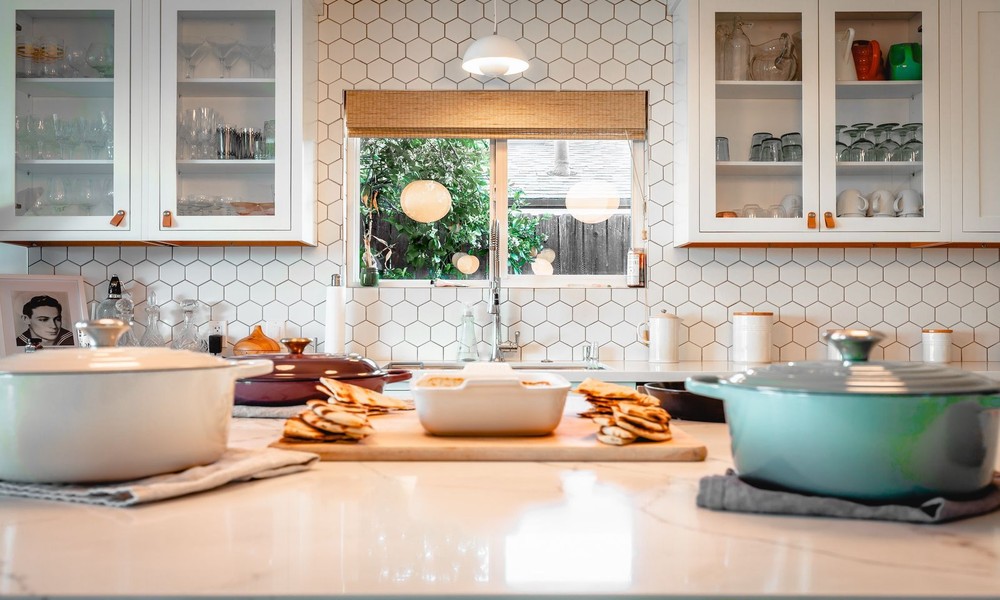
Every custom kitchen renovation promises a transformation, an upgrade from daily frustrations to a space that makes life easier and more beautiful. However, beneath the glossy finish of expertly designed cabinets and gleaming countertops, a maze of challenges must be navigated before the dream becomes reality. Managing these complexities often separates a project that delights from one that disappoints.
Understanding the Complexity of Custom Kitchen Renovations
Custom kitchen renovations go far beyond the world of standard, off-the-shelf remodels. While a standard renovation often relies on pre-set layouts and modular units, custom projects require original planning, creative problem solving, and a deep understanding of the homeowner’s unique vision.
Defining Custom vs. Standard Renovations
A standard kitchen renovation might mean swapping old cabinets for new ones that fit the same footprint. Custom renovations, in contrast, are tailored from the ground up: every cabinet, surface, and fixture is designed specifically for the space and the people who use it. The challenge? Absolute precision in design and execution, with no “one-size-fits-all” shortcuts.
Unique Expectations and Aspirations of Homeowners
No two families use their kitchens in quite the same way. Some dream of a chef-worthy workspace; others crave seamless entertaining zones. Aligning these expectations with what’s technically possible (and affordable) is a major hurdle. A custom kitchen requires exhaustive consultation to ensure that the final result matches not just the owner’s aspirations, but also their habits and lifestyle.
Design Challenges: Balancing Aesthetics and Functionality
Breathtaking designs are only half the battle. The real test is making sure that beauty does not outweigh day-to-day practicality.
Tailoring Ergonomics to Individual Needs
It’s easy to overlook small details, but things like counter height, reach distance, and appliance placement can make or break a kitchen’s usability. For example, taller homeowners may want raised counters, while accessibility features might be required for others. Tailoring ergonomics means balancing individual comfort with overall flow.
Harmonizing Style with Practical Space Use
Striking the right balance between style and utility is tricky. Plenty of homeowners have regretted choosing a show-stopping finish that proved impossible to clean, or elegant cabinetry that turned out to be awkward to use. Finding materials and layouts that deliver both visual impact and everyday convenience demands careful coordination between designers and clients.
Comparing Design Flexibility in Custom and Modular Kitchens
While modular kitchens limit flexibility to pre-made options, custom design opens up nearly endless possibilities. Yet, this flexibility introduces its own challenges, more choices mean more decisions, which can slow progress and complicate project management.
Technical and Material Considerations
Behind every sleek kitchen lies a complex network of utilities. Overlooking the hidden technical hurdles can derail even the best-laid plans.
Selecting Quality Materials for Longevity and Style
A custom kitchen is an investment, so materials must be selected for both their look and long-term durability. Homeowners often face a dizzying array of choices, natural woods, engineered surfaces, stone, metals, each with different lifespans, maintenance requirements, and price tags.
Navigating Technical Constraints: Plumbing, Electrical, and Ventilation
Not every stunning design works in every home. Walls can’t always be moved, and relocating plumbing or electrical lines can quickly escalate costs and complexity. Coordinating these changes, and ensuring they comply with local codes, is a foundational part of planning.
Impact of Material Choices on Timelines and Budgets
Exotic materials or custom finishes may require longer lead times, introduce supply chain uncertainties, and push budgets higher than expected. Managing these risks demands flexibility in scheduling and the willingness to make tough compromises when needed.
Project Management Approaches
How a renovation project is managed can make or break the experience for homeowners.
Traditional Contractor-Led vs. Specialist-Led Renovations
In a contractor-led project, a generalist oversees all trades. Specialist-led renovations, like those managed by Askal Intérieurs, bring in dedicated experts for each step, improving quality control but potentially requiring more coordination.
Coordinating Multiple Trades: Pros and Cons
Having several trades on site, carpenters, electricians, plumbers, means things can move quickly, but only if everyone’s on the same page. Miscommunication or delays from one trade can ripple through the entire schedule.
Managing Unexpected Delays and Changes
Even with detailed planning, surprises are inevitable. Hidden structural damage or late-arriving materials can force last-minute changes. The best project managers keep contingency plans at the ready and maintain open lines of communication.
Budgeting and Cost Control Strategies
Few things cause more stress during a renovation than unexpected costs. Transparent budgeting is essential.
Transparent Pricing vs. Variable Estimates
Some firms offer a fixed price upfront, while others work from flexible estimates. Fixed pricing provides peace of mind but may come with higher initial quotes to cover unforeseen expenses.
Handling Cost Overruns: Fixed Price vs. Flexible Budgets
Cost overruns can occur for many reasons, scope changes, material upgrades, or technical surprises. Flexible budgets allow for adjustments, but can balloon without careful monitoring.
Financing Options and Their Implications
Drawing on personal savings, home equity, or renovation loans each comes with different risks and implications for long-term financial health.
Communication and Collaboration Dynamics
A successful kitchen renovation is, at its heart, a collaborative journey.
Role of the Client in Decision-Making
Clients who stay engaged in the process tend to be more satisfied with the end result. However, excessive involvement can slow things down, while too little can lead to disappointment.
Comparing Hands-On vs. Hands-Off Client Involvement
Some clients want to approve every detail, while others prefer a more hands-off approach. Successful firms tailor their communication style to match, ensuring neither confusion nor information overload.
Ensuring Clear Communication Between Designers, Contractors, and Clients
Regular, clear updates prevent misunderstandings and keep everyone aligned. Digital platforms and project management tools now make it easier to track progress and share information.
Sustainability and Long-Term Value Considerations
Environmental impact is now front and center in kitchen renovations.
Choosing Durable, Sustainable Materials
Opting for responsibly sourced woods, recycled content, or non-toxic finishes not only benefits the environment but also boosts the kitchen’s longevity.
Designing for Future Adaptability
Flexible layouts that can evolve with family needs improve long-term value, making it easier to adapt to new appliances or changing lifestyles.
Comparing Environmental Impact of Custom vs. Standard Renovations
Custom kitchens can minimize waste by fitting materials precisely, but only if managed with sustainability in mind. Standard renovations often generate fewer offcuts but may rely on less sustainable sources.
Conclusion: Weighing the Trade-Offs for a Successful Custom Kitchen Renovation
Managing a custom kitchen renovation means navigating design complexity, technical hurdles, shifting budgets, and the need for seamless collaboration. The right approach, combining skilled project management, transparent communication, and a shared vision, can turn even the messiest renovation into a resounding success. As specialists like Askal Intérieurs demonstrate, pairing expert craftsmanship with a client-centered process helps transform a maze of challenges into the kitchen you’ve always dreamed of.